Behaviour and dependency mapping
Inspect workflows, code, database procedures, reports and interfaces. Document hidden rules with people who understand the exceptions and retain source references.
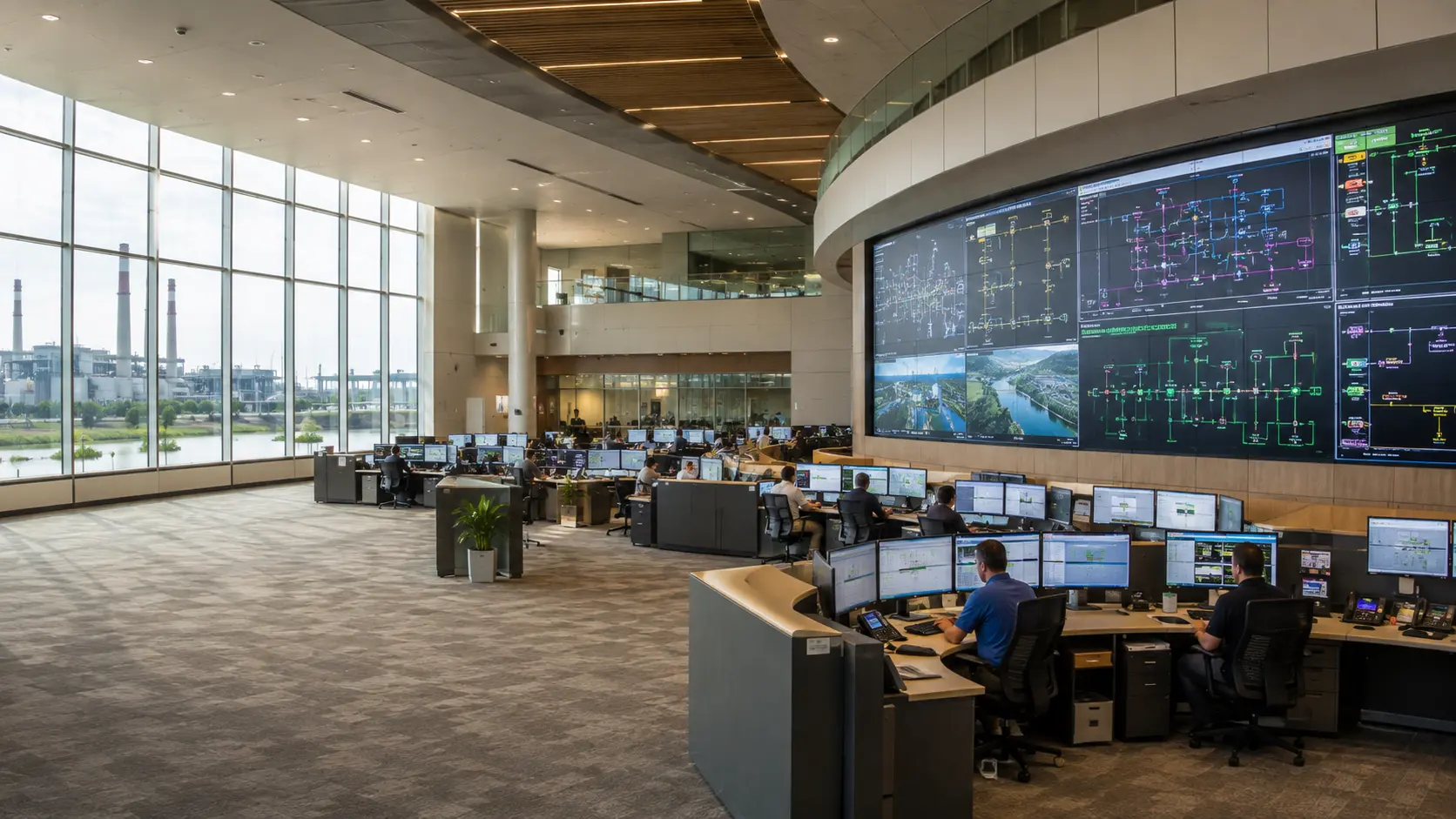
Legacy modernization
Give an essential legacy system a practical path forward.
Discuss your workflowThe operation, connected
Aiwah helps businesses improve the systems that still carry their most important work. We identify the behaviour and business rules worth preserving, then choose the right combination of integration, UI automation, targeted modernization and migration. The first step is understanding how the system actually supports the operation.
Older software often holds years of pricing rules, exceptions, approvals and reporting logic that are poorly documented. A rewrite can lose that knowledge. Leaving everything untouched can make each new requirement depend on manual work. We make those tradeoffs explicit and scope change around the business constraint.
What we can build
Scope the combination that solves your operating problem, with clear responsibilities for software and people.
Inspect workflows, code, database procedures, reports and interfaces. Document hidden rules with people who understand the exceptions and retain source references.
Improve a constrained part of the existing system: an interface, integration boundary, deployment process or workflow. Keep the scope tied to a specific operating need.
Expose approved capabilities through stable interfaces where the underlying system allows it. Connect applications without spreading legacy assumptions into every new tool.
Where reliable APIs are unavailable, automate appropriate repeatable screen interactions. Add record checks, explicit success conditions and a visible recovery path for changed or uncertain screens.
Map entities, identifiers, access rights and historical records to the target design. Rehearse the transfer and reconcile counts, totals and critical relationships.
Compare representative old and new outputs, test exceptions and define rollback conditions. Agree the release decision using business acceptance and technical evidence.
Old and new can coexist while records and business rules are reconciled.
An example workflow
This is a starting point for design. The actual workflow, permissions and integrations are scoped around your operation.
Identify the deadline, support risk or manual bottleneck. Map the affected behaviour before deciding whether to extend, replace or migrate.
Build one representative integration or migrated workflow. Test it against historical examples and difficult exceptions.
Release bounded changes with appropriate reconciliation, ownership and recovery. Keep dependencies visible as the scope expands.
Monitor the changed workflows, resolve discrepancies and give the team documentation and operating procedures for the new system.
Works with your existing tools
The integration approach depends on the system: supported APIs, file exchange, database interfaces or carefully scoped UI automation. We assess vendor terms, access rights and operational reliability before choosing a route.
Measures we can define together
We establish a baseline and agree a measurement method. Results depend on your process, data and adoption; these are measures to track, not promised outcomes.
Related work and thinking
Explore existing case studies and essays connected to this service.
Case study · Financial services company
A related example of improving the workflow around an existing ERP while retaining finance controls.
Read the case study
Case study · Industrial components manufacturer
Shows how existing records and supplier information can become a connected production workflow.
Read the case study
Essay · 5 min read
A useful system accepts responsibility for moving work, then brings a person in when judgment or authority is needed.
Read the essayFrom discovery to live operation
We begin with a working session around a real example. We map the workflow, identify the costly handoffs and agree the decisions, permissions and integrations the system needs.
We then shape a focused first release, build the operating interfaces and test routine work alongside exceptions and failure recovery. Rollout includes the people using the system and a way to observe whether the change is helping.
You keep practical control of the code, workflows, business logic, data and operating context we create, subject to third-party services and licences. Support and continued improvement are scoped with the engagement.
Read about security and controls →Before we begin
No. A stable system may only need a better integration or operating layer. We compare that option with selective migration and replacement based on cost, constraints and the behaviour the business needs.
We assess supported exports, imports and other interfaces first. UI automation can be appropriate for defined tasks when access is permitted, but it needs monitoring and recovery because screens can change.
We document critical behaviour and build representative tests with business owners. Migration and release acceptance include exceptions, data reconciliation and the conditions for rollback.
Explore connected services
Bring one important workflow
Tell us where the operation slows down, what your team is doing manually and what a better result would look like.
Book a meeting