Skip to content
Geometric high-rise architecture against a deep blue sky

Revenue and sales operations

AI Sales Automation & Revenue Operations

Give every opportunity a clear next move.

Discuss your workflow

The operation, connected

Give every opportunity a clear next move.

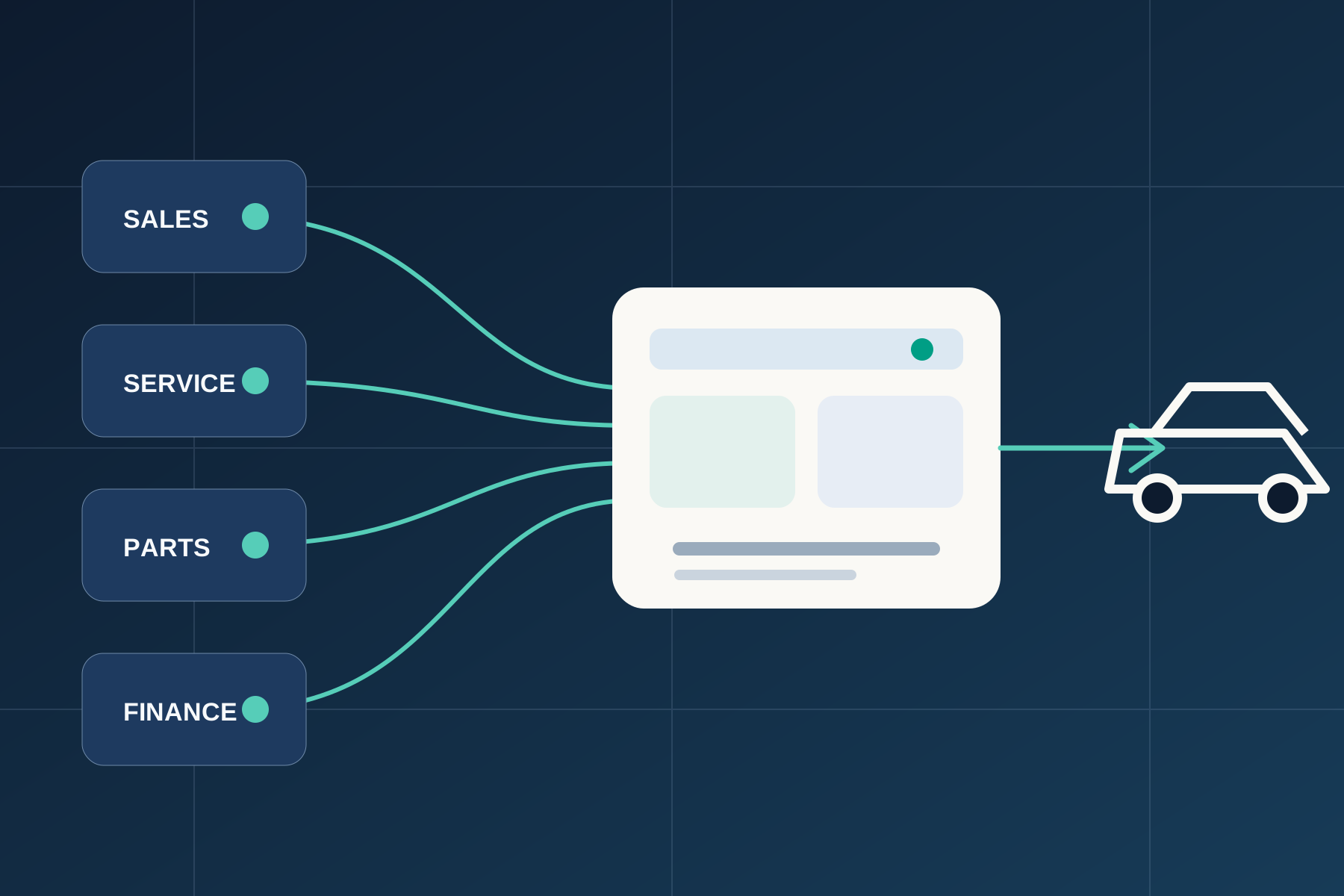
Aiwah builds AI sales automation and revenue operations software that connects prospect research, lead qualification, customer conversations and follow-up. Your team gets a shared account history, a reliable pipeline and a clear place to act. We design the system around how your business sells, from the first buying signal to the handoff into delivery.

A CRM stage rarely explains what is really happening in a deal. Research sits in browser tabs, buyer requirements stay in call recordings, and follow-up depends on the person who remembers the promise. Adding more sales tools can create more coordination work. We connect the commercial process so the information needed for the next decision stays with the opportunity.

  • Representatives spend more time researching and updating records than speaking with customers.
  • Inbound leads wait while ownership, qualification and next steps are decided manually.
  • Managers cannot see missed commitments, stalled deals or incomplete buyer context.

What we can build

Purpose-built capabilities.
One connected system.

Scope the combination that solves your operating problem, with clear responsibilities for software and people.

01

Lead sourcing and account intelligence

Build account-research workflows that combine inbound forms, referrals, approved data providers and commercial signals. Enrichment, contact verification, deduplication and source tracking produce a usable account record. Your targeting criteria remain explicit, so the team can inspect why a company or person has entered the pipeline.

02

AI lead qualification and routing

Capture needs, urgency, business fit and buying context through forms, conversations or existing records. Apply your qualification rules, suggest the responsible representative and prepare the next action. Unclear responses and low-confidence classifications enter a review queue instead of quietly becoming unreliable CRM data.

03

Custom CRM development and synchronization

Create a private CRM or connect the CRM you already use with calls, email, calendars and operational systems. Model accounts, contacts, opportunities, approvals and ownership around your actual sales process. Synchronization includes duplicate handling, failed-write recovery and a traceable record of changes.

04

Sales call intelligence and coaching

Turn recorded conversations into structured buyer requirements, objections, commitments and follow-up tasks. Representatives review the extracted context before it becomes authoritative. Managers see the calls and opportunities that need attention, with evidence for coaching, qualification checks and missed process steps.

05

Outreach and follow-up automation

Prepare relevant outreach from verified account context, manage approved sequences and keep replies attached to the opportunity. Approval gates, opt-outs, channel rules and stop conditions are part of the workflow. People retain control of sensitive claims and commercial conversations while software carries the preparation and reminders.

06

Pipeline reporting and deal-risk visibility

Connect activity to stage movement, response time, overdue commitments and conversion. Replace recurring spreadsheet cleanup with a current management view. Define what a qualified lead and a meaningful stage change actually mean, then use those definitions consistently across sales reporting and operational handoffs.

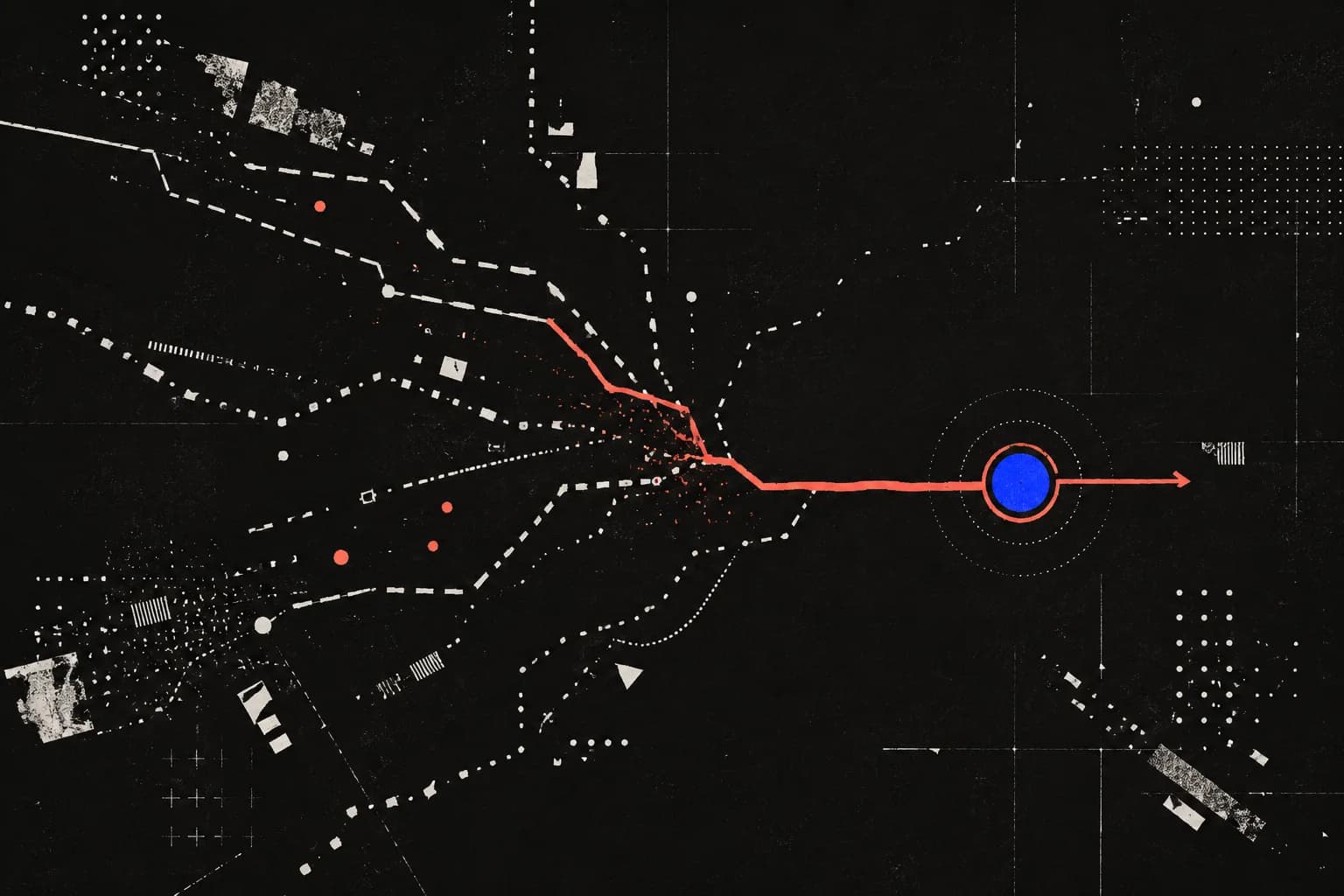
Revenue operating viewEvery signal reaches an owned next action.

Research, conversations, decisions and handover stay attached to one opportunity.

An example workflow

From the first signal
to the next accountable action.

This is a starting point for design. The actual workflow, permissions and integrations are scoped around your operation.

  1. 01

    Capture the signal

    A new enquiry or researched account arrives with its source, contact details and relevant commercial context.

  2. 02

    Qualify and assign

    The system checks fit, proposes ownership and gathers missing information. A person reviews uncertainty or sensitive decisions.

  3. 03

    Progress the conversation

    Calls, messages, objections and promises update the same opportunity. Approved follow-up carries the next commitment forward.

  4. 04

    Hand over with context

    A won opportunity moves into onboarding or service delivery with requirements, agreements and accountable owners attached.

Works with your existing tools

Connect the systems that already matter.

We can connect CRM platforms such as Salesforce, HubSpot and Pipedrive with email, calendars, call systems, approved enrichment providers and your internal databases. Integration scope depends on API access, licensing, data quality and channel permissions. We define which system owns each record before implementing bidirectional sync.

Measures we can define together

  • Lead response time
  • Qualified-lead conversion
  • Overdue follow-up
  • Time in customer conversations

We establish a baseline and agree a measurement method. Results depend on your process, data and adoption; these are measures to track, not promised outcomes.

From discovery to live operation

A team responsible for the system, not just the handoff.

We begin with a working session around a real example. We map the workflow, identify the costly handoffs and agree the decisions, permissions and integrations the system needs.

We then shape a focused first release, build the operating interfaces and test routine work alongside exceptions and failure recovery. Rollout includes the people using the system and a way to observe whether the change is helping.

You keep practical control of the code, workflows, business logic, data and operating context we create, subject to third-party services and licences. Support and continued improvement are scoped with the engagement.

Read about security and controls →

Before we begin

Your questions,
answered clearly.

Do we have to replace our CRM?

No. We first establish whether the problem is the CRM itself, the surrounding workflow or the quality of the information entering it. A focused integration or custom operating layer may be enough. A private CRM makes sense when the existing product cannot represent the way your team needs to work.

Can AI send outreach or change deals without approval?

Authority is defined during design. Routine steps may run within agreed rules, while sensitive messaging, commercial commitments and exceptions require approval. We make the approval history visible and include opt-outs and stop conditions appropriate to the channel.

What do you need to scope sales automation?

Bring a representative lead, your pipeline stages, the tools involved and a recent example of missed follow-up or lost context. We trace that opportunity end to end, identify the bottleneck and agree how improvement will be measured before choosing the implementation.

Explore connected services

Customer lifecycleOperations and service deliveryKnowledge and back officeAI discovery & roadmapLegacy modernizationPlatform rebuildAI operations redesignAI for engineering teams

Bring one important workflow

What should work better
in your business?

Tell us where the operation slows down, what your team is doing manually and what a better result would look like.

Book a meeting